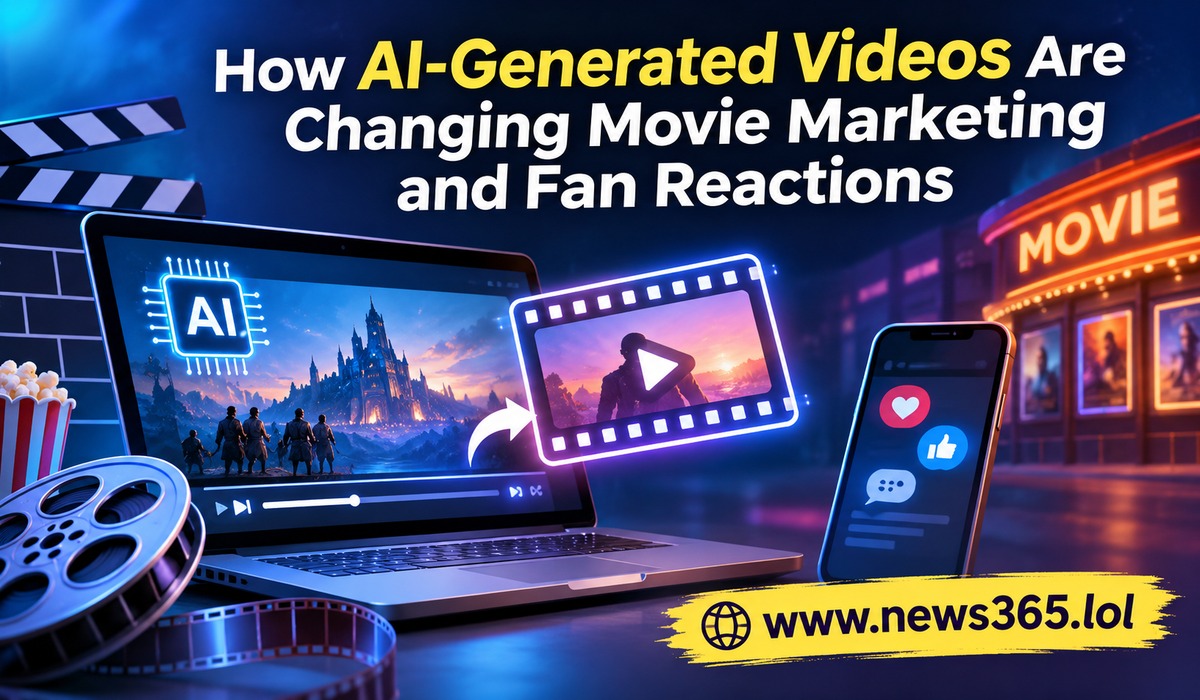
Movie marketing has changed significantly over the years. Earlier, film studios mainly depended on television advertisements, newspaper promotions, posters, interviews, and movie trailers to attract audiences. Today, social media platforms, digital campaigns, and online video content have become important parts of promoting a film. Artificial intelligence is adding another major change to this process through AI-generated videos.
AI-generated videos allow filmmakers and marketing teams to create promotional content using artificial intelligence. They can produce short video clips, visual effects, digital characters, alternative scenes, and creative advertisements without recording every single element with a camera. These videos can make movie promotions more interesting and help studios reach audiences across different platforms.
Fans are also reacting differently to movie promotions because AI can create unusual scenes, imaginary stories, and creative versions of their favourite characters. However, this technology also raises questions about originality, trust, and the use of actors’ faces and voices.
AI-generated videos are not simply changing how movies are advertised. They are also changing how audiences discover films, discuss upcoming releases, and connect with entertainment brands.
How AI-Generated Videos Work in Movie Marketing
AI-generated videos are created with the help of artificial intelligence tools that can turn written instructions, images, or existing video material into moving visuals. Marketing teams can describe a scene, choose a visual style, and use an AI tool to produce a short video.
For example, a movie studio promoting a science fiction film might create a futuristic city, a space environment, or an imaginary creature for a promotional video. Instead of building every visual element from the beginning, the team can use AI to create early versions of these scenes.
AI can also help turn movie posters into animated promotional clips. A character’s background might move, lights might appear across the screen, or a dramatic camera effect might make the poster look more engaging.
This gives marketing teams more creative choices and allows them to experiment with different promotional ideas before spending money on larger productions.
Making Movie Trailers More Creative and Interesting
Movie trailers are among the most important parts of film marketing. They introduce the story, present important characters, and give viewers a reason to watch the full movie. AI-generated videos are creating new possibilities for making these trailers more creative.
Studios can experiment with different visual styles, backgrounds, and short promotional scenes. They can also create separate versions of promotional videos for different audiences.
For example, a fantasy movie could have one promotional video focusing on its magical world, another highlighting its action scenes, and a third introducing its main characters. Each version can attract viewers who enjoy different parts of the film.
AI can also help marketing teams test different trailer ideas. They can compare how audiences respond to different scenes, music choices, and promotional messages.
However, AI-generated promotional scenes should not mislead viewers about the actual movie. Audiences expect trailers to represent the film honestly. If a promotional video shows scenes that never appear in the movie, fans may feel disappointed.
Creating More Engaging Social Media Promotions
Social media has become one of the strongest channels for movie promotion. Platforms such as Instagram, YouTube, Facebook, and TikTok allow studios to reach millions of people without depending entirely on traditional advertising.
AI-generated videos make it easier to create short and visually interesting content for these platforms.
A movie studio can turn a simple announcement into an animated video, create character introductions, or develop short clips based on the film’s setting. These videos can encourage users to stop scrolling, watch the content, and share it with friends.
Another advantage is that marketing teams can create different promotional versions for different platforms. A short vertical video may work well on Instagram Reels, while a longer trailer may be more suitable for YouTube.
This approach helps studios maintain audience interest between the first announcement and the movie’s release date.
For smaller production companies, AI tools can also reduce some content creation costs. They may be able to produce promotional material without arranging a separate shoot for every social media campaign.
Bringing Movie Characters Closer to Fans
Fans often develop strong emotional connections with movie characters. They follow their stories, discuss their decisions, and become interested in their fictional worlds.
AI-generated videos can help studios build on this connection by creating additional promotional experiences around popular characters.
For example, a studio might create a short animated introduction for a superhero, a special video showing a fictional location, or a creative birthday message from a movie character.
These experiences can make fans feel more involved in a film’s promotional campaign.
AI can also help create personalised promotional content. Different audiences may receive videos focusing on the characters or themes they enjoy most.
However, using an actor’s face or voice in AI-generated content requires proper permission. Studios should respect performers’ rights and clearly explain when promotional material contains AI-created elements.
How AI Videos Are Changing Fan Reactions
Movie fans are not simply watching promotional videos anymore. They are sharing opinions, creating discussions, comparing trailers, and reacting to every new announcement.
AI-generated videos have added another interesting part to this experience.
Some fans enjoy seeing creative versions of familiar movie characters or imaginary scenes that would be difficult to produce through traditional filmmaking. These videos can quickly become popular online, especially when they feature well-known film franchises.
At the same time, reactions are not always positive.
Some viewers believe AI-generated content makes movie promotions feel less personal. They prefer seeing real actors, original footage, and genuine behind-the-scenes moments rather than computer-created visuals.
Others worry that AI videos could reveal misleading information about an upcoming movie. When a realistic AI-created scene looks like an official trailer, viewers may struggle to understand whether it is genuine.
This means movie studios need to be careful about how they use AI. Creative promotional content can attract attention, but audience trust should remain a priority.
The Role of AI in Fan-Made Movie Videos
AI-generated videos are not limited to professional movie studios. Fans can also use these tools to create their own entertainment content.
Some fans make imaginary trailers, alternative movie endings, character introductions, and visual versions of stories they would like to see on screen.
These videos can create excitement around a film even when the official marketing campaign has not started.
Fan-made content can also help older movies become popular again. A creative video featuring a classic film or an older character may introduce that movie to a younger audience.
However, fan-made AI videos can create confusion when they are presented as official announcements. Studios and creators should clearly identify unofficial content and avoid using copyrighted material or actors’ identities without the necessary permission.
When handled responsibly, fan creativity can become an interesting part of the wider movie discussion.
Reducing the Cost and Time of Movie Promotion
Movie marketing can require a large budget. Studios often spend money on trailers, advertisements, promotional events, posters, interviews, and social media campaigns.
AI tools can help reduce some of these expenses by making certain creative tasks faster.
For example, a marketing team can use AI to develop early promotional concepts, animate existing artwork, create background visuals, and prepare different versions of a video.
This can be particularly useful for independent filmmakers and smaller production companies that do not have the same marketing budgets as major studios.
AI can also help teams test promotional ideas before investing in expensive production work.
However, AI does not replace every part of the marketing process. Professional editing, creative direction, accurate movie information, and human review are still important for producing high-quality promotional videos.
Challenges and Concerns About AI-Generated Movie Videos
Although AI offers several benefits, its growing use in movie marketing creates important challenges.
One major concern is the misuse of actors’ faces and voices. AI tools can create realistic digital versions of people, which raises questions about permission, payment, and ownership. Actors should have control over how their appearance and voice are used in promotional material.
Another concern is misleading advertising. A studio might create an AI-generated scene that looks like part of the actual movie. If viewers discover that the scene does not exist in the film, they may lose trust in the campaign.
Copyright is another important issue. Marketing teams must consider whether the images, voices, music, and other creative material used in AI-generated videos are legally permitted.
There is also the question of originality. If every studio starts using similar AI tools and visual styles, movie advertisements may begin to look alike.
For these reasons, studios should use AI as a creative support tool rather than allowing it to control the entire promotional process.
What the Future Holds for AI in Movie Marketing
AI-generated videos are likely to become a more common part of entertainment marketing. As these tools improve, studios may be able to create more realistic promotional scenes, interactive character experiences, and personalised video campaigns.
Fans might also receive promotional videos based on their favourite genres, characters, or previous viewing interests.
Movie studios could experiment with interactive advertisements where viewers make simple choices and see different promotional scenes. This could make movie marketing feel more entertaining and encourage audiences to spend more time exploring an upcoming release.
However, the success of these ideas will depend on how audiences respond.
People still want genuine stories, memorable performances, and meaningful connections with films. AI can help present these experiences in creative ways, but it cannot replace the emotional value of a well-made movie.
The studios that balance new technology with human creativity are likely to create more effective promotional campaigns.
Conclusion
AI-generated videos are changing movie marketing by giving studios new ways to create trailers, social media promotions, character videos, and interactive experiences. They can reduce production time, support creative ideas, and help films reach wider audiences.
At the same time, fan reactions show that audiences care about honesty, originality, and genuine entertainment experiences. Misleading scenes, unauthorised use of actors’ identities, and repetitive AI content could damage the relationship between studios and viewers.
The future of movie marketing will not depend only on how advanced AI tools become. It will also depend on how responsibly filmmakers use them. AI can make movie promotions more creative, but human imagination and audience trust will remain at the heart of successful film marketing.
Frequently Asked Questions
1. How are AI-generated videos changing movie marketing?
AI-generated videos help movie studios create trailers, animated posters, social media promotions, and character-based content. They can also make promotional campaigns faster and offer more creative choices.
2. Can AI create movie trailers?
Yes, AI tools can help create promotional video clips, visual effects, animated scenes, and trailer concepts. However, human editors and filmmakers are still important for ensuring that the final trailer represents the movie correctly.
3. Why do fans react differently to AI-generated movie videos?
Some fans enjoy the creative visuals and unusual scenes, while others prefer traditional movie promotions featuring real actors and original footage. Concerns about misleading content and originality also influence audience reactions.
4. Can independent filmmakers use AI for movie promotion?
Yes, independent filmmakers can use AI tools to create animated posters, short promotional videos, and social media content. These tools can help them develop marketing material with smaller budgets.
5. Will AI-generated videos replace traditional movie marketing?
No, AI-generated videos are more likely to support traditional marketing methods than completely replace them. Movie trailers, interviews, film posters, and behind-the-scenes videos will continue to play an important role in promoting films.